Healing Stones

Stones

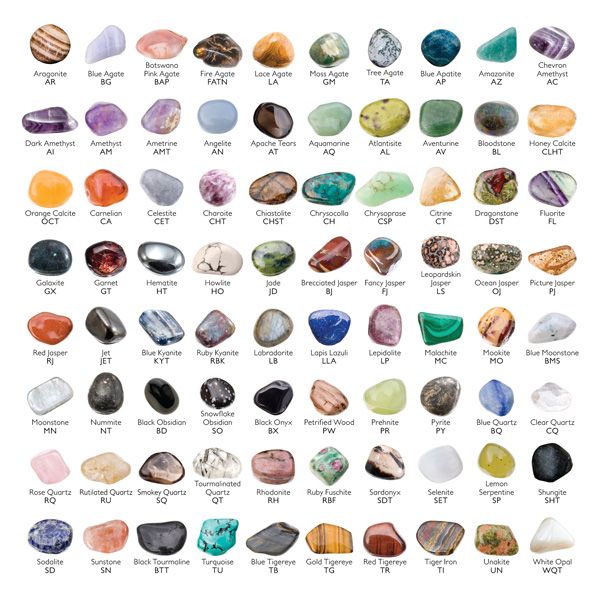
The world is full of beautiful stones; gemstones, semi-precious stones, crystals… Some are obviously spectacular while others possess most of their beauty on the inside. We have birthstones, astrological stones, good luck stones, worry stones… Ever wonder why? I imagine you’ve been drawn to different stones at different times in your life – I’ve been particularly drawn to hematite, turquoise, amethyst, jade, sapphire, moonstone, tiger eye, and labradorite. While each stone has its own unique story, energy, and function, I’d like to talk about my favorite stone – labradorite.

Labradorite is treasured for its remarkable play of color, known as labradorescence. It’s blue-green, grey, gold, black, semi-translucent, and full of deep, gorgeous veins.

This is my favorite pendant in different light…

Labradorite is the most powerful protector of the mineral kingdom, and strengthens natural energies from within. It is thought to protect the aura against the negativity of this world, which is important since allowing this negativity to soak into us can cause all sorts of physical and emotional health problems.

Wearing or carrying Labradorite enhances mental and intuitive abilities. It brings out the best in people, and encourages faith in oneself. Labradorite tempers the negative side of our personality (yes, we all have one), the traits and actions that rob our energy and may produce depression or shame. It imparts strength and perseverance, so is useful in times of uncertainly or change.

Labradorite calms an overactive mind and energizes the imagination, bringing in new ideas. It is a wonderful tool for returning joy and spontaneity back to one’s life. Labradorite radiates a predominant blue crystal energy that stimulates the throat chakra, the voice of the body. When the throat chakra is in balance and open, it allows for the expression of what we think and what we feel. And let’s be honest – most of us could use a bit more of that!

Labradorite utilizes water energy, the energy of stillness, quiet strength, and purification. Blue crystals enhance any space that you use for repose, calm reflection, or prayer. In a previous blog we looked at how water can instill a sense of calmness within us. This stone helps bring forth that same feeling of peace and calm.

So what should you do with this amazing stone? Wear it, meditate with it, pray with it, or place it in a special spot in your house (labradorite is generally associated with the north part of the home). Sometimes I just rub it, like a worry stone. It doesn’t magically fix everything…but it does make me feel just a little lighter, a little happier, a little stronger, a little more beautiful.  And believe me – if nothing else, when you wear it, people will be drawn to its beauty.

What’s your favorite stone??
stones-2

Information adapted from Crystal Vaults – https://www.crystalvaults.com/crystal-encyclopedia/labradorite

Antibiotics

Antibiotics….Helpful or Harmful?

antibiotics

I’m sure you’ve heard of antibiotic resistant “super bugs” and the decreasing efficacy of antibiotics in general. Some people take a doomsday point of view – ‘we’re all going to die of simple infections without antibiotics’! Others say we should ban them all together. But what’s the reality of the situation?

Antibiotics can be useful and lifesaving. They are routinely used for surgery when people are at greater risk for infection, and to wipe out illnesses and sexually transmitted diseases that the body could not otherwise rid itself of. However, we haven’t come up with any new antibiotics since the 1980s!

The biggest problem, as I see it, is that nowadays antibiotics are used for everything! I can remember several occasions when we had that pink bubble gum Amoxicillin in our refrigerator as a kid. Think about it… Have a sinus infection? Antibiotics. The flu? Antibiotics. A sore throat? Antibiotics. A urinary tract infection? Antibiotics. And it’s not just doctors overprescribing these drugs…people use leftover antibiotics after not taking their full course of meds all the time.

Why does it matter? Well, there are 6 categories of antibiotics, and they are all used to treat different types of infections. They have different side effects, different interactions with other medications, and different treatment courses. And since some strains of bacteria can alter over time and become resistant to whatever’s trying to kill it, using the wrong drug, or not enough of the right drug, can have serious implications. In addition, antibiotics can destroy the good bacteria in the body, which allows the bad bacteria to multiply and replace them.

So what should we do? The short answer is to be more careful about what you’re doing to treat infections. Do your research! For example, antibiotics should not be used for colds. Colds are viral, and cannot be helped by taking antibiotics. Instead, help your immune system fight it off: Vitamin C, Zinc, Echinacea, and Elderberry all help boost your immune system; get some extra sleep; breathe in the steamy vapors of eucalyptus; use a neti pot to help clear out your nasal passages. You’d be amazed at the number of herbs that have antiviral and antibacterial properties. I swear by Uva Ursi for urinary tract infections, and Thyme and an essential oil blend known as thieves to prevent cold and flu. The best thing about herbs, vitamins, and minerals is that they work with your system, strengthening it to fight off invaders now and in the future.

Hope for the future? While I certainly don’t advocate using antibiotics for everyday infections, I do understand that sometimes they are necessary. The following articles have some interesting information about new breakthroughs in antibiotic research and development:

Could Ants be the Solution to Antibiotic Crisis?

First New Antibiotic in 30 Years Discovered in Major Breakthrough

Above all, be informed so you can be well.


Other Resources:

Are Antibiotics Really Appropriate for What Ails You? US News and World Report.

http://health.usnews.com/health-news/patient-advice/articles/2016-09-19/are-antibiotics-really-appropriate-for-what-ails-you

Antibiotics. WebMD

http://www.webmd.boots.com/nhs/antibiotics

Fire Cider

The kids have gone back to school, there’s a cool breeze in the morning air… As we transition out of summer and into fall, it’s time to start planning ahead for cold and flu season.

If you haven’t heard of Fire Cider, it’s time to change that. Fire Cider is a traditional folk remedy that helps boost immunity, stimulate digestion, and keep you warm on cold days. Some people take it daily as a preventative, others at the first sign of a cold. It’s spicy, vinegary, and pungent…but don’t let it scare you. You can mix it with your veggie juice, use it on a salad, or just take it in a shot glass.

Since it needs to sit for 4 weeks, there’s no time like the present to get started!

img_1280

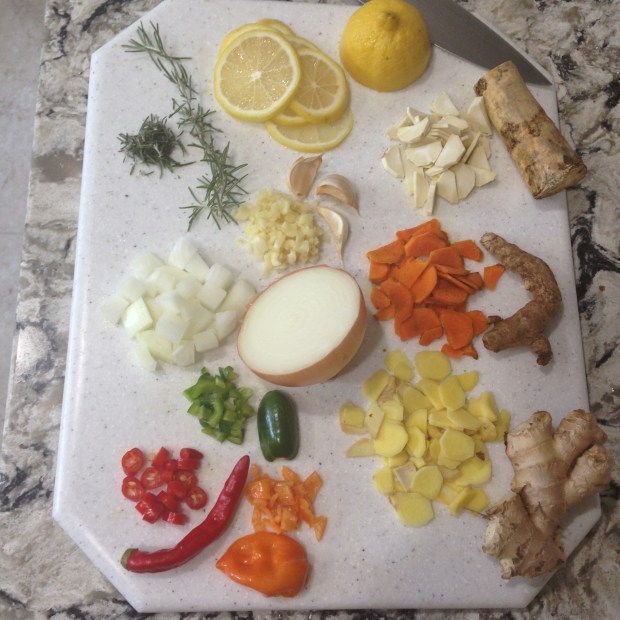
What you’ll need:

  • ½ cup ginger, diced
  • ¼-½ cup garlic, chopped
  • 1 cup onion, finely chopped or shredded
  • ½ cup horseradish, sliced
  • 2 to 4 hot peppers, chopped — habanero, jalapeno, cayenne or any other hot peppers may be used. If you’re sensitive to spice, skip the spicier peppers like habanero.
  • ¼ cup fresh turmeric, chopped (or 1 to 2 tablespoons dried turmeric)
  • 2 to 3 cups raw unfiltered apple cider vinegar
  • 2-4 tablespoons raw honey – to be added later

You can use any number of optional ingredients. Some I like to use are:

  • 1 stick or 1-2 teaspoons of cinnamon
  • Half of an organic lemon, sliced
  • 3-4 tablespoons fresh rosemary, chopped
  • 2-3 tablespoons of hibiscus flowers

Add all the ingredients to a quart mason jar (what you see below is a double batch). Use enough vinegar to cover the solid ingredients by a couple inches. The vinegar will corrode typical metal mason jar lids, so use a plastic lid if possible, or simply place a piece of wax paper between the lid and the jar – you’ll still be able to screw the lid shut. Shake vigorously for about 15 seconds and store the jar at room temperature. I just leave it in the corner on the kitchen counter.

img_1284

As you can see, I reuse whatever jar I have handy. As long as it’s clean, you’re good to go. And while you certainly want raw and unfiltered apple cider vinegar, it doesn’t need to be top shelf. I save the really good stuff (I’m partial to Bragg) for when I’m taking the vinegar alone for its own healing properties.

Let the herbs steep in the vinegar for four weeks, shaking every few days to help with the maceration. Strain the solid ingredients from the vinegar, add honey to taste, and store your fire cider in a glass jar. It will keep for several months in a dark cupboard, and up to a year in the refrigerator.

So really…what makes it so great?

Horseradish stimulates digestion, and is a good diuretic that promotes perspiration, making it useful in fevers, colds, and flu. Horseradish is also an expectorant and antibacterial, and can be useful in respiratory tract infections.

Ginger is valued for its ability to warm the stomach, ease nausea, and to fight off colds, chills and coughs. Ginger is useful for all types of congestion in the body.

Garlic supports immune function and opens the pores of the skin to lower a fever. It has antibacterial and antimicrobial properties that make it useful in treating a number of infections, including strep throats and ear infections.

Capsaicin is good for increasing circulation and to get mucous flowing. It is an anti-inflammatory and anti-irritant, and used as a digestive aid to stimulate metabolism.

Onions have anti-inflammatory properties and are useful in relieving symptoms of asthma and allergies as well as lung infections. Onions are also useful as a digestive aid and expectorant.

Turmeric soothes inflammation by reducing levels of histamine in the body, and is a strong antioxidant.

Stress

Sl_StressBrain

Stress…The mere mention of the word makes my muscles tighten.  We’ve all felt stressed out at some point. It’s unavoidable…it’s natural…and it’s not all bad.

Stress just refers to our body’s natural reaction to outside stimuli. In fact, it causes our bodies to release important hormones like adrenaline and cortisol.

It becomes a problem when it’s chronic, or continuous, and overwhelming. Chronic stress suppresses your immune system and causes symptoms like:

  • fatigue and insomnia
  • headaches
  • irritability
  • high blood pressure
  • memory loss
  • diarrhea

So what can you do to stay healthy even in stressful times?

  • Eat more fresh fruits and vegetables to strengthen your immune system
  • Get regular exercise – make use of that extra adrenaline
  • Learn to relax – whether it’s deep breathing, taking a hot bath, or listening to music – find a healthy outlet that works for you. I turn up the music and dance!
  • Get a good night’s sleep. Put the phone on do not disturb…turn the TV off…let yourself unplug from the day. The smell of lavender is incredibly calming and a great addition to your bedtime routine.
  • Let it out! Talk to a good friend, let yourself cry, scream into the waves, go to the gym and take it out on the punching bag…whatever makes you feel lighter.
  • Do your best. None of us is perfect – that’s what makes us so interesting! So forgive yourself for any mistakes you made today and do your best tomorrow.

stressed-stress-relax


Calming Waters

What is it about the ocean…lakes…rivers…streams…water…that makes us feel so good?

OLYMPUS DIGITAL CAMERA

Playful Dolphins of Atlantic Beach

Time and again research has shown that being near water brings on a sense of peace and calm. Living near the ocean, I couldn’t agree more. I head for the ocean any time I’m stressed, upset, overwhelmed, or just plain sad. Whether it’s for a walk, a swim, a paddle, or just to sit and watch the waves, it never fails to fill my heart with a peaceful gratitude and a sense of wonder. Even on the best of days, it brings me a little extra joy.

Check out the article below for some interesting information about the calming properties of water, and some easy ways to get more water into your life.

Blue Mind by Wallace J. Nichols, PhD – Full Article

How your gut impacts your brain

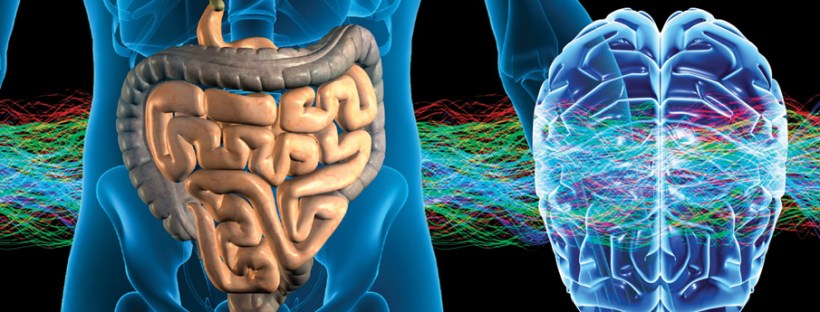
Did you know that no other system in your body is as sensitive to changes in your gut than your central nervous system? Or that your gut makes more serotonin than your brain? In fact, the gut manufactures a number of chemicals including glutamate, which is involved in aspects of cognition, learning, and memory.

Organisms that live in your intestines are collectively known as microbiome.  These microbes impact immunity, inflammation, nutrient absorption, vitamin production, your mood, your libido, and more.

Learn about how what you eat impacts how your brain and body function in this informative article written by board certified neurologist, David Perlmutter, MD.

Healthy Gut Healthy Brain Full Article